Severe nausea, vomiting in pregnancy linked to major physical and mental health risks
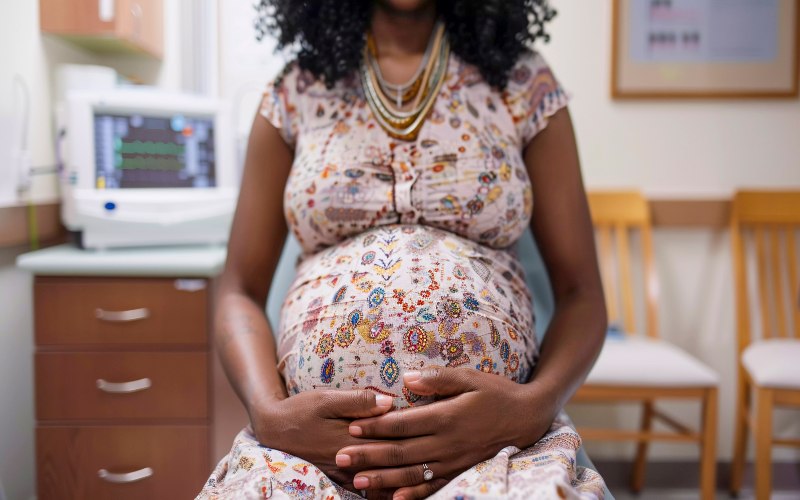
Hyperemesis gravidarum is a severe form of pregnancy nausea that can cause dehydration, malnutrition and depression. The article explains symptoms, risks and why early, integrated care is essential.
Hyperemesis gravidarum (HG) is a severe and potentially debilitating form of nausea and vomiting in pregnancy that goes far beyond typical morning sickness.
While mild nausea affects the majority of pregnant women, HG is diagnosed when symptoms are extreme enough to cause significant weight loss, dehydration, electrolyte imbalances, and nutritional deficiencies.
More To Read
In severe cases, hospitalisation may be required for intravenous fluids, antiemetic medications, and close monitoring of maternal health. Globally, HG affects approximately 3-4 per cent of pregnancies, though prevalence varies by population and diagnostic criteria.
Recent reports in The Lancet have emphasised that HG is a serious medical condition that is often under-recognised and under-treated. Symptoms can disrupt daily life, preventing women from maintaining work, social, and family routines.
Many women face difficulty accessing care because severe vomiting is sometimes dismissed as “normal” pregnancy sickness. Nausea in pregnancy is abnormal when it is severe, prolonged, and causes physical or mental health problems.
This under-recognition can delay treatment, worsen complications, and exacerbate both physical and mental health burdens.
Physically, HG can result in dehydration, electrolyte disturbances, low blood pressure, malnutrition, and, in rare cases, neurological complications such as Wernicke’s encephalopathy from vitamin B1 deficiency.
Severe vomiting may also cause oesophageal tears, kidney or liver dysfunction, and cardiac complications. Because of these risks, HG is one of the leading causes of hospitalisation in early pregnancy, even in otherwise healthy women.
Beyond the physical toll, HG has significant mental health implications.
Studies highlighted in The Lancet Psychiatry show that women with HG are at markedly higher risk of depression both before and after pregnancy. HG is also associated with anxiety, post-traumatic stress disorder, and eating disorders.
Globally, women with HG are more than three times as likely to experience depression following pregnancy compared with those without the condition. The combination of physical suffering, social disruption, and dismissive healthcare experiences adds to the psychological burden, highlighting the need for care that integrates both physical and mental health support.
The exact cause of HG is not fully understood, but it is believed to involve hormonal, genetic, and physiological factors. Elevated pregnancy hormones such as human chorionic gonadotropin (hCG) and estrogen play a central role.
A family history of HG increases risk, suggesting genetic susceptibility. Other contributing factors may include gastrointestinal sensitivity and metabolic differences, which may explain why some women experience severe symptoms while others do not.
Management of HG requires a multidisciplinary approach. Treatment may include antiemetic medications, intravenous fluids, nutritional support, vitamin supplementation, and hospitalisation when needed.
Mental health support is increasingly recognised as a crucial component of care.
At the same time, early recognition, proactive treatment, and ongoing support improve maternal and fetal outcomes and reduce complications from malnutrition and stress.
Top Stories Today